SP: As an artist and teacher you work in a variety of arenas. As a teacher of theatre design, how does that work inform your painting and illustration or vice versa?
Curtis: When I went back to art school, I intended to do illustration so I could make a more commercial living. I took a lot of figure drawing because of my costume work but I also just fell in love with all the most tactile processes: painting, monoprinting, charcoal drawing..all the smudgy, messy stuff. Add to that my experience studying scripted characters and constructing things for a costume shop and I’ve got a pretty broad spectrum from which to teach. Theater design attracts a lot of incredibly imaginative people with experience that doesn’t always include drawing. But drawing is crucial in order to communicate with a variety of collaborators who have differing needs and expectations: the director, the performer, the costume shop etc. You want to be able to convey the spirit of the production, the attitude of the characters, how the costume looks in three-dimensions, how one might construct it etc. It’s a very daunting task for someone who isn’t confident in drawing. It’s fun to pull in the fine art aspects: taking risks, experimenting with materials, being non-literal etc. The students loosen up, learn more broadly, and have more to throw at their design process than if they were just watching “how to draw people” on YouTube. There’s a lot of invention in theater so your thinking and your process have to be really well informed. As a teacher, what I take away is the constant saw-sharpening of teaching specific techniques, the joy of collaborating with young, diverse minds and the chance to be involved with the incredible array of projects the students, the department, and the Krannert Center are cooking up.
SP: In your opinion, what is the biggest misconception people have about theatre craft and design?
Curtis: I don’t think we ever quite grasp the sheer amount of labor and hours that go into making any work of art. Even I forget remarkably easily. We are so focused on the final product that we fail to recognize what a confusing and crooked path it can be to get to that product. There can be so much uncertainty and frustration, having to back up and do it a different way, especially now with the systemic ruptures we’ve had in the last couple of years. I remember reading an interview with the incredibly prolific novelist Philip Roth where he said something to the effect of “ every time I sit down to write a book, I feel like I have no idea how to do it”. Often our job as artists is to make whatever it is look easy and when we do, it’s almost a disservice to ourselves and to the audience.
SP: What’s your favorite piece of advice to give students?
Curtis: The whole point of being in school is to learn so always admit what you don’t know. We all have gaps in our knowledge and experience so speak up and ask questions. Through collaboration and creation “weaknesses” can often be assets. Also, push yourself to experiment as much as you can while you’re in a place where mistakes and setbacks should be expected. Learning can be ugly and uncomfortable and we should try not be afraid of that.
SP: As an artist, and as a teacher, how did you fare during the pandemic?
Curtis: Add “mom” to that list and you can probably guess how I fared. I was able to continue teaching in-person thanks to a whole community of dedicated people working their hearts out. I was not one of those artists you read about who innovated wildly and broke new ground. It was all I could do to squeeze out one studio day a week and patch two thoughts together. My trees definitely helped though. Watching the fires rip through my native California, thinking about the climate crisis, feeling frustrated and discouraged, watching anxiety rise in my kids… the forest and its ongoing adaptation through communal support starts to become a very helpful metaphor….
SP: Anything else you’d like to share?
Curtis: I’d add something about the humanities in general and why festivals like Boneyard are so crucial for a community. I think we need to acknowledge how much we relied on the arts and humanities during lockdown. The music we listened to, the stories podcasted, the markers (or iPad cartoons) that kept our kids occupied, cooking, writing, dancing, reading, photography, clay, singing, whatever. The humanities (and I’ll add athletics to this too) kept life worth living for people experiencing deep despair and anxiety. I have a kid on the autism spectrum and one of the tools recommended for him is improv. Why? Because it teaches connection. It trains you to anticipate what other people need. It forces people to invest in one another. So, why are these skills less important than learning your square roots? It is long past time for us as a culture to re-invest in the activities that bring people together and I don’t mean virtually.
Every single kid and adult should have a shot at developing the self-knowledge and empathy that our human existence requires. Moving the arts and humanities from “elective” back into the core of our schools and institutions gives everyone that opportunity and underlines how important it is to form those bonds. Then, watch the violence decrease. Watch the depression and anxiety fall away. Watch the ability to tolerate and understand one another return. My dad wanted me to go to “real college” because he was afraid I wouldn’t be able to pay my rent. But when we dismiss the intrinsic value of the arts and humanities to the actual living of our lives, we risk devaluing life altogether. That’s where I think we are right now in America. We need to learn how to invest in each other again.
SP: How can people learn more about you and your work?
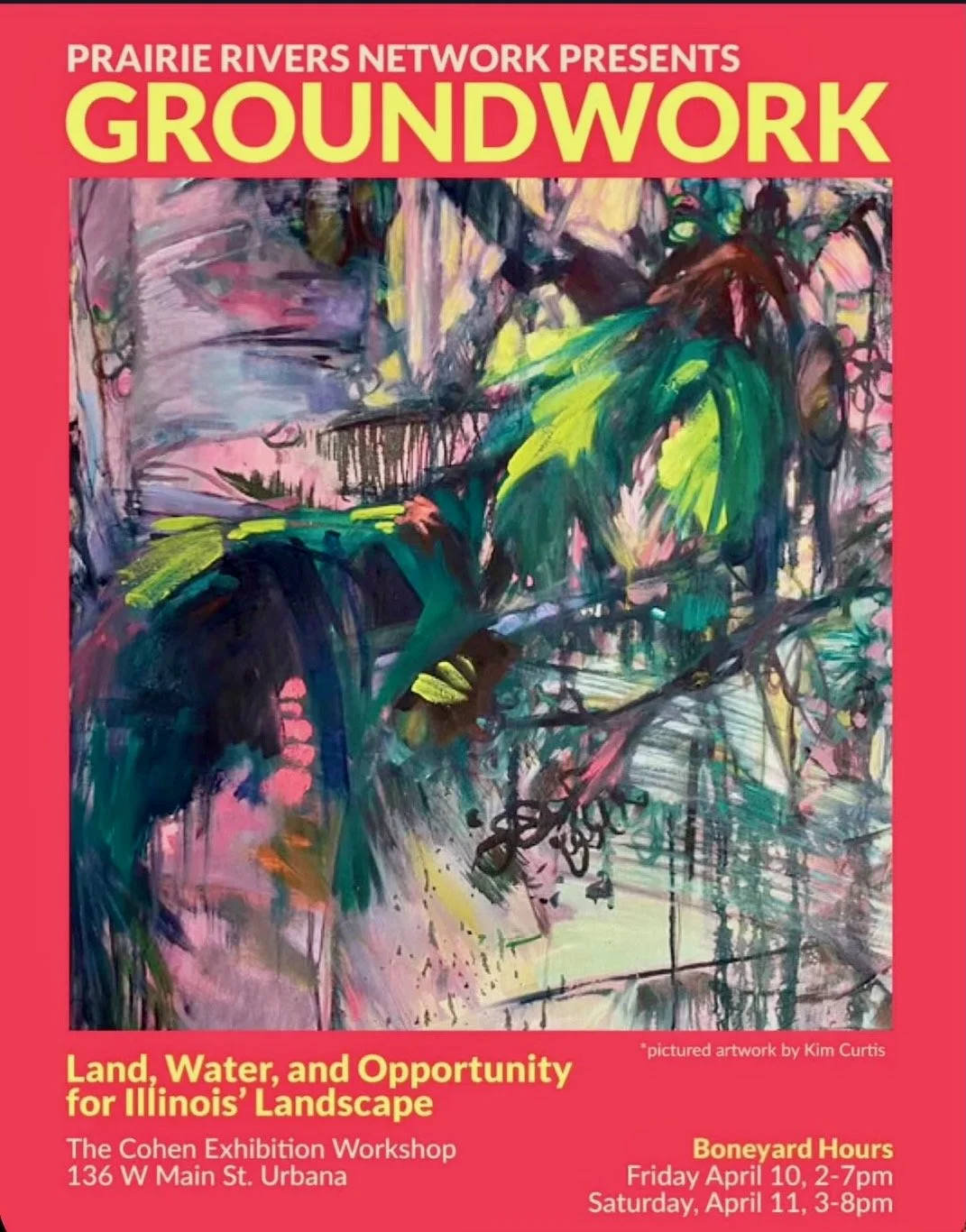
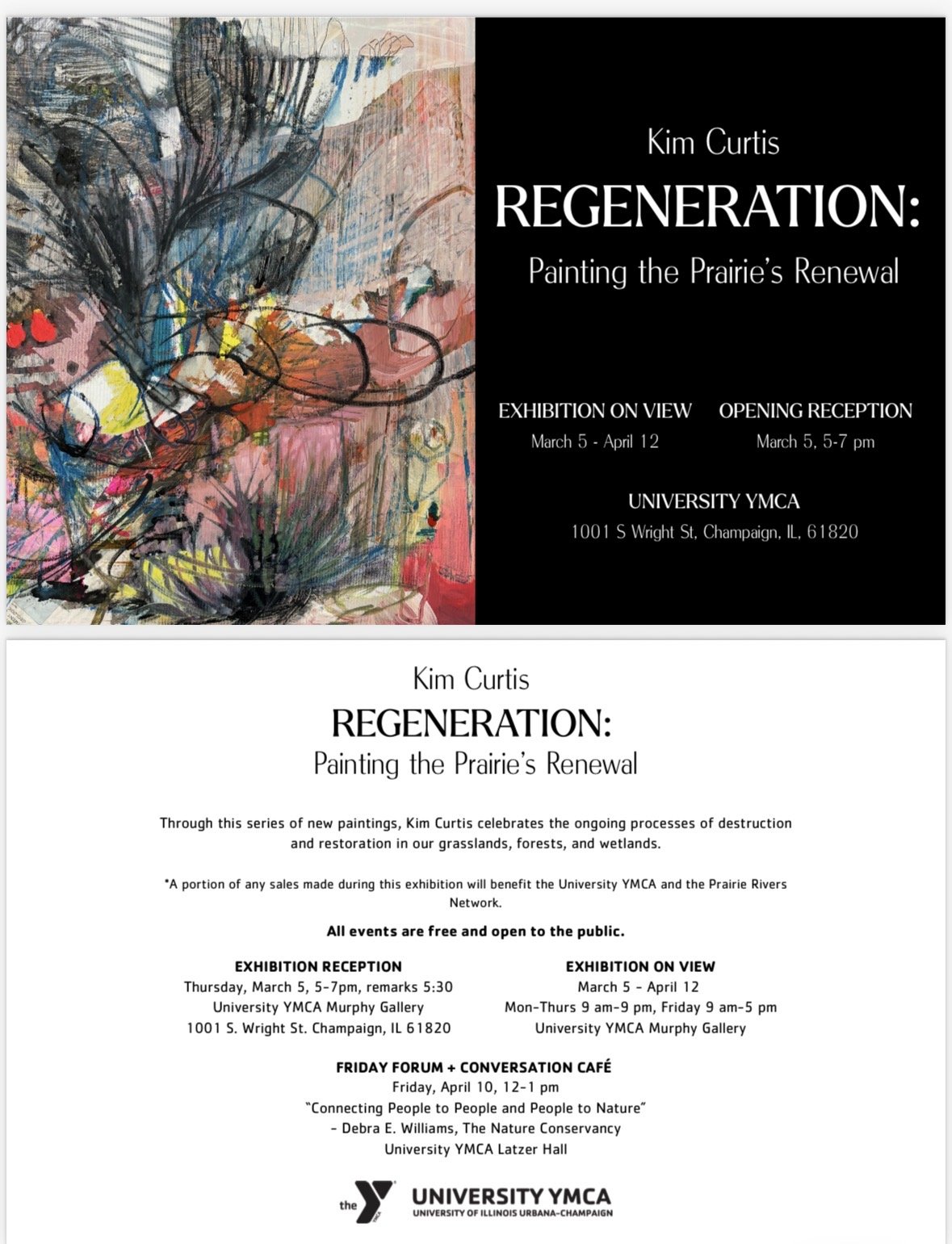
Curtis: Come out to the studio April 3rd from 10: 00 a.m. to 3 p.m. at 1101 N. High Cross Road, in Urbana, or visit my website.